











Funding an online casino account is rarely the most exciting part of play, but it is one of the first practical choices a player has to make. The method you choose affects how quickly you can start, what fees you may pay, how easily you can withdraw later, and whether your bank or payment provider will process the transaction at all. A well-run casino makes this step straightforward by offering several options, explaining their limits, and providing support when something goes wrong. This guide covers the main deposit routes and the questions worth asking before you send money.
Why Deposit Options Matter
A casino that offers only one way to pay will suit only a narrow group of players. People come to online gambling with different banking habits, different levels of comfort with technology, and different rules in their home countries. Some want the familiar protection of a bank card. Others prefer to keep casino spending separate from their main account. A flexible deposit menu helps a site attract and keep customers, but it also does something more important: it gives players a choice about speed, privacy, and control. Reliable payment processing also builds trust. When deposits arrive promptly and withdrawals are handled as promised, players can focus on games rather than on chasing transactions.
Card Payments: Convenience With Caveats
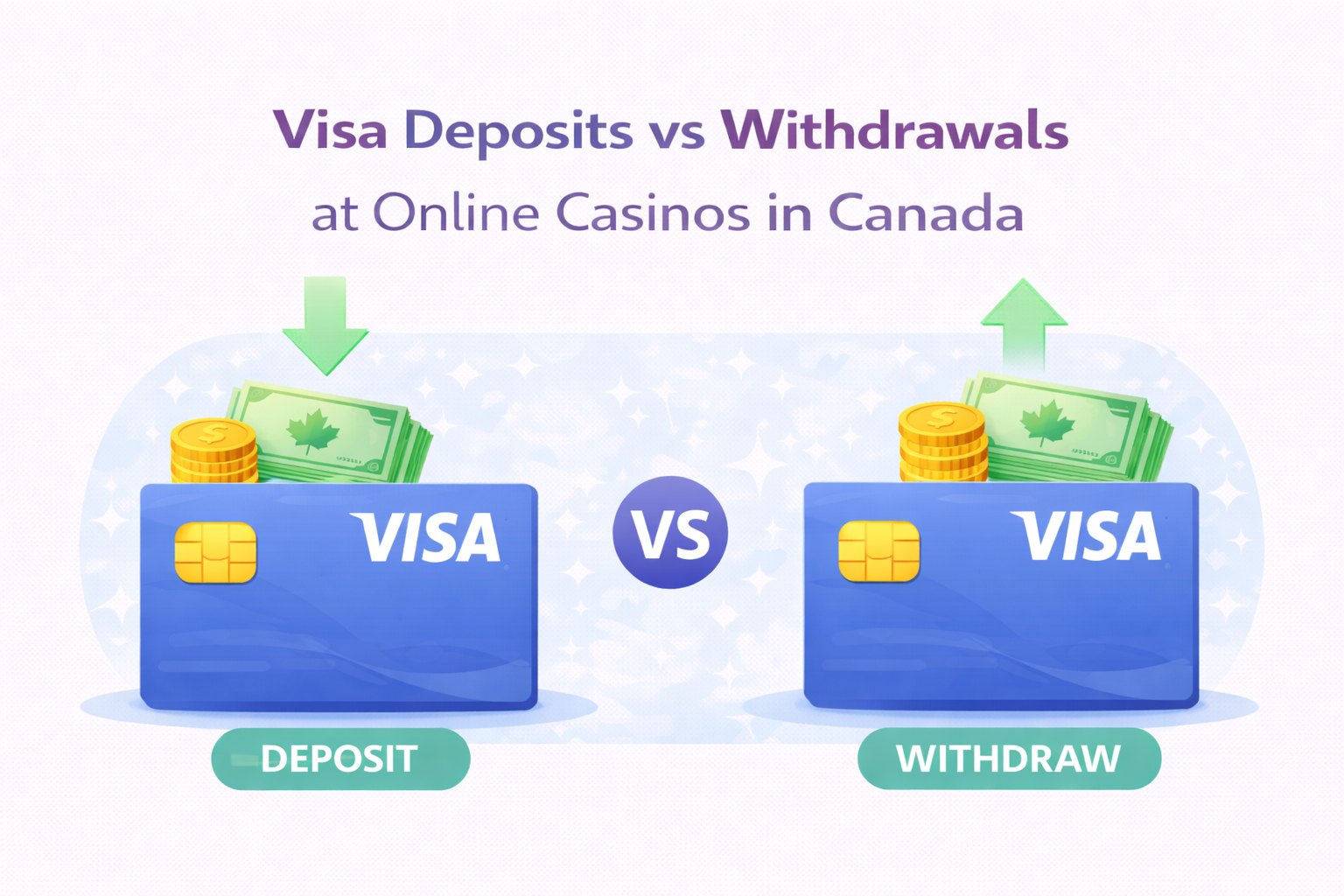
Debit and credit cards remain a common choice because most people already have one and understand how it works. A card deposit can feel almost instant, and it fits naturally into an online checkout routine. Many casinos accept major card networks, and some accept additional card brands as well. The catch is that a card is not guaranteed to work for gambling. Banks and card issuers set their own rules, and a transaction may be blocked even where online gambling is legal. This is especially relevant for players in the United States, where card restrictions can be stricter. Before relying on a card, check whether your issuer allows gambling transactions and whether the casino charges a fee for card deposits.
E-Wallets and Prepaid Cards
An e-wallet is a digital account that sits between your bank and the casino. You fund the wallet, then use it to pay the casino, which can add a layer of separation and convenience. E-wallets are often praised for secure deposits and withdrawals, and they can be a good fit for players who do not want to share card details with every merchant. They are not perfect. Transaction fees may apply, and a withdrawal can take time to appear back in your e-wallet before you can move it onward. Availability also varies by country; players in the United States, for example, have fewer e-wallet choices because of financial restrictions.
Prepaid cards offer a different kind of control. These are plastic cards loaded with a set amount, and they work much like a disposable debit card. Once the balance is used up, the card has no further value. That makes them a low-risk option for funding a casino account, because the card is not linked to a large bank balance or a line of credit. Prepaid cards are issued by financial institutions and card companies, and they can be a practical way to keep casino spending within a planned limit.
Transfers, Checks, and Other Routes
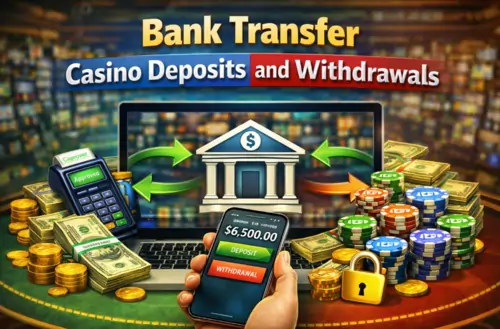
Bank transfers and money transfer services provide alternatives for players who prefer not to use cards or digital wallets. A wire transfer moves money directly between accounts and is often treated as a secure, traditional route, although it may take longer than a card deposit. A check by mail is slower still, but some players value the paper trail. Money transfer services can be quick and widely available, with options to send funds online, by phone, through an app, or with an agent. The main drawback is cost: these services often charge higher fees than other methods. Players should compare the total cost before assuming that speed is worth the extra expense.
Security, Fees, and Local Restrictions
No deposit method is right for everyone, and no single method is free of trade-offs. Before depositing, look at the full picture: processing time, transaction fees, withdrawal compatibility, currency conversion costs, and the casino's verification requirements. A method that is convenient for deposits may be slower or more expensive when you want to cash out. Country rules matter too. Payment providers may restrict gambling transactions, and the casino may have to limit certain options for players in particular regions. Using the casino's official cashier page and reading its payment terms is more reliable than assuming that a method will work because it worked somewhere else.
Choosing the Right Method
The best approach is to match the deposit method to your own habits. If speed matters most and your bank permits it, a card may be the simplest choice. If you want distance between your main bank account and your casino balance, an e-wallet or prepaid card may feel more comfortable. If you are depositing a larger amount or prefer a direct bank route, a transfer may suit you better. Check withdrawal options at the same time, because a deposit method that cannot be used for payouts may create extra steps later. Also confirm the casino's identity and licensing before sending money; a clear cashier page, readable terms, and responsive support are good signs.
In short, online casino deposits are about more than getting money into an account. The right method should be convenient, affordable, legal in your jurisdiction, and compatible with how you plan to withdraw. Casino Roam readers can use these points as a checklist rather than a ranking: compare the options available to you, read the fine print, and choose the route that keeps both your bank balance and your personal data under control.


6 Comments
Excellent article. The comparison table saved me a lot of time.
I read this twice. Everything I needed was here.
This is the third article I read here and all of them were very good.
Thank you for explaining free spins. Now I understand it.
Very useful information about payments. All my questions are answered.
Saved to my bookmarks. One of the best articles I have read.